Asphalt driveway maintenance is quite easy by design. After all, you don’t want to be spending your valuable weekends looking after your driveway! That said, there is one crucial aspect of driveway care that you should always keep in your calendar, and that’s resealing.
When you reseal asphalt driveway installations, you’re giving your driveway everything it needs to endure harsh weather and heavy loads for as long as possible. The question is, how often should you be doing this?
Consider this your guide to asphalt driveway resealing and repair. We’ll unpack what resealing is, why it’s so important, and how often you should be adding it regularly to your calendar.
Why reseal asphalt driveways?
Your asphalt driveway is tough, but it’s also slightly porous. That’s just the nature of the asphalt suspended in the surface binder. These driveways are built to last. That said, New Zealand’s weather is not meant to be trifled with.
When we reseal asphalt driveway installations, we provide a protective layer that stops water from soaking in. The seal also slows down the bleaching and oxidising effects of the sun, so your driveway always looks smooth and even.
On top of all of that, a fresh seal coat also helps to prevent hairline cracks from forming. This will save you a lifetime of bigger and more expensive repairs, so it’s one of the simplest ways to extend the life of your driveway without too much effort.
How often should you reseal an asphalt driveway?
Here in Aotearoa’s subtropical climate, most asphalt driveways benefit from resealing every three to five years. A few factors can impact that timeframe:
Sun exposure.
If your driveway sits in full sun all day long, the surface will dry out faster. That means resealing might be needed on the earlier side of the three to five year range.
Traffic and weight.
Homes with utes, work vehicles, trailers, or multiple cars usually see more wear. The more pressure the asphalt is under, the more often it needs resealing.
Weather.
Driveways that collect water or sit in damp, shaded spots can break down sooner. If you notice moss, soft patches, or water lingering after rain, you may want to reseal earlier than planned.
Your driveway’s age.
Newer driveways hold up well, but once yours hits the ten year mark, a more proactive resealing schedule pays off.
If you are ever unsure about the state of your driveway, there are a few signs that make it pretty clear that it’s time for you to reseal asphalt driveway surfaces on your property:
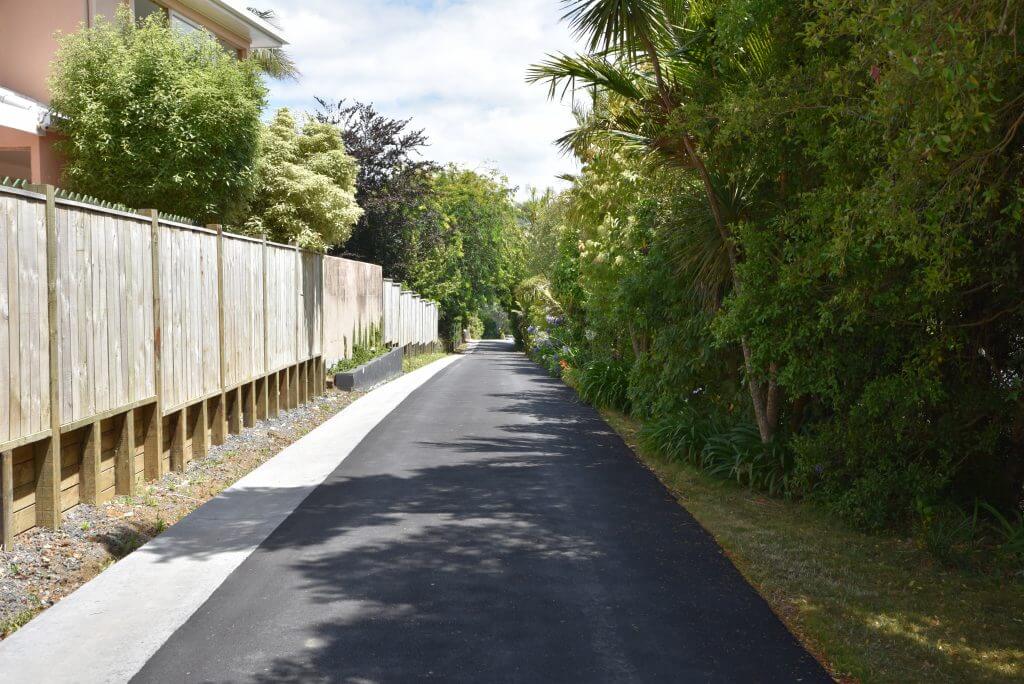
- The surface looks dry or grey instead of a rich black
- Small cracks are starting to appear
- Water no longer beads on the surface, and instead seeps into the asphalt
- You can see patches of wear where your tyres usually sit
None of these are catastrophic in any way, but they are signs of early wear that should invite a reseal to stay ahead of your driveway maintenance. Generally speaking, if your driveway still looks smooth and water resistant, then you may be able to wait another season before resealing. But once that surface starts to show its age, a proactive reseal is a good move.
Of course, you can always check in with an assessment from an asphalt driveway specialists who can let you know exactly where you stand.
When do you need a repair instead of a reseal?
Now, resealing is ideal for preventing long-term damage, but you might be beyond that if you have significant issues with your driveway.
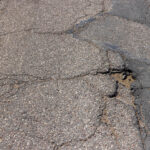
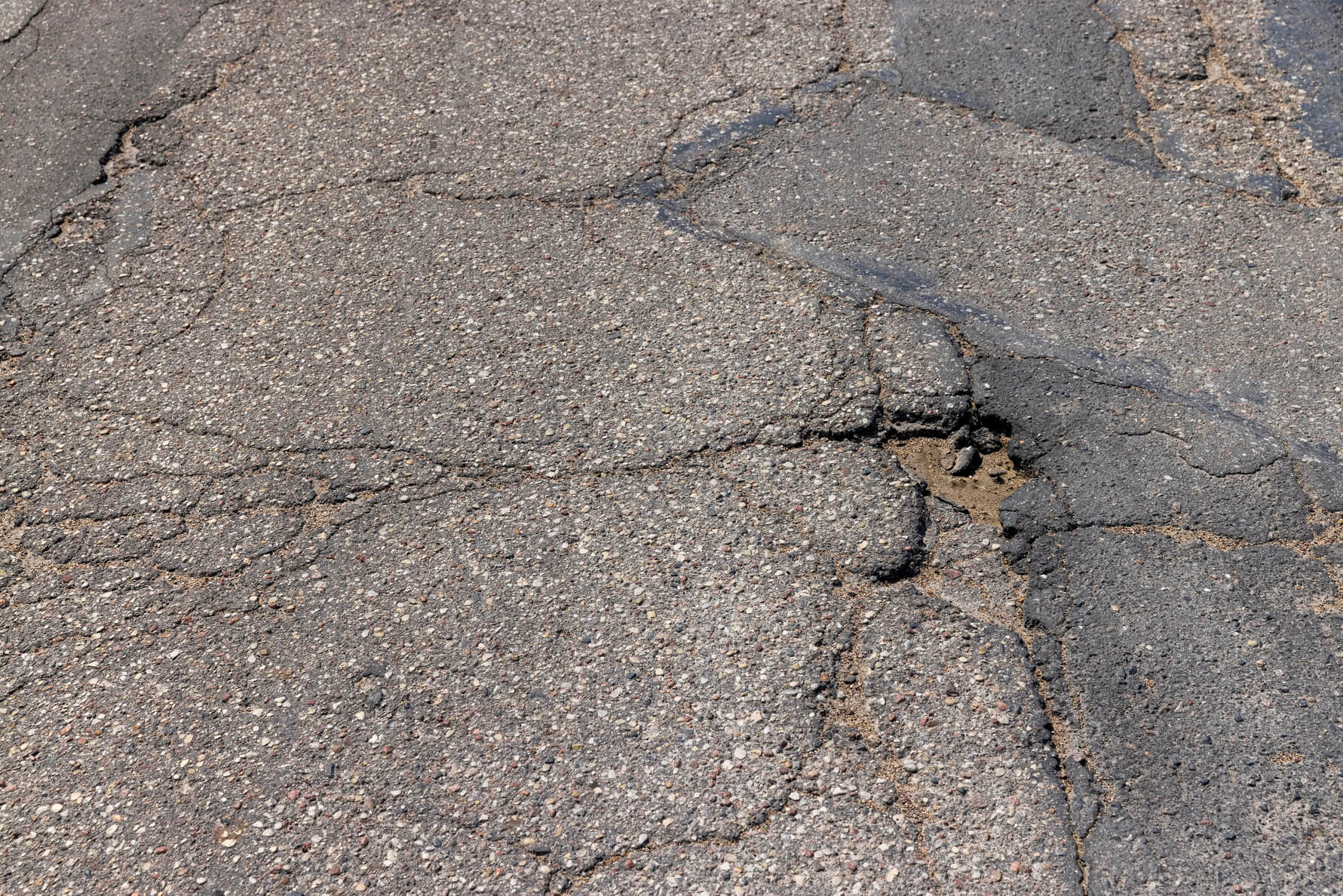
You’ll want to look out for significant cracks, sinking areas, potholes, breaking edges, or serious soft spots. All of these are signs of a deeper structural issue that cannot be resolved even if you reseal asphalt driveway surfaces on your property.
Resealing over these won’t do much for you other than push the problem further down the line. So, when in doubt, it helps to repair first and then reseal once your driveway is up to scratch.
At the end of the day, there’s nothing better than preventative care in our book. Whether you’re caring for an asphalt driveway you got installed only a few years ago, or you’re trying to bring your old driveway back to life with some professional maintenance, a reseal can be exactly what you need.
Resealing every few years is one of the easiest ways to protect your driveway and avoid large repair bills at the moments you can least expect them. The key is to know when your driveway needs the help, and in that case, a professional eye can never steer you wrong.
We are Asphalt & Civil, your trusted asphalt driveway specialists.
Looking to repair or reseal an asphalt driveway? Talk to the team at Asphalt & Civil! We have years of experience with asphalt and concrete paving, driveways, and car parks.
Browse our most recent projects for a taste of what we can do, or get in touch for a free quote on laying your next asphalt driveway.