Homes across New Zealand seem to fall into two distinct categories: driveways made from concrete, and driveways made from pavers. If you’re about to upgrade or install your own driveway, then you’ve probably asked yourself where on that spectrum you fall. Both are popular, both look good, and both can handle the daily wear and tear of simple life as a vehicle-bearing surface. But when it comes to choosing for you, the details really matter.
We specialise in crafting beautiful, long-lasting driveways throughout Auckland. To help you decide which is for you, let’s first look at what makes a paved driveway different from a concrete one. Then, we’ll weigh up the strengths and drawbacks of each, so you can walk away confident about what’s right for your home.
The Difference Between Pavers and Concrete
Happily, the difference between pavers vs. a concrete driveway is fairly intuitive. A paver driveway is composed of individual bricks, stones, or concrete blocks laid in a pattern over a prepared base. They interlock to create a solid surface. A concrete driveway, on the other hand, is a single continuous slab poured directly onto a foundation.
This difference in construction is what drives most of the pros and cons. With pavers, you get flexibility and design variety. With concrete, you get a smooth, uniform surface. Each has its place, so let’s find yours.
Why Choose Pavers?
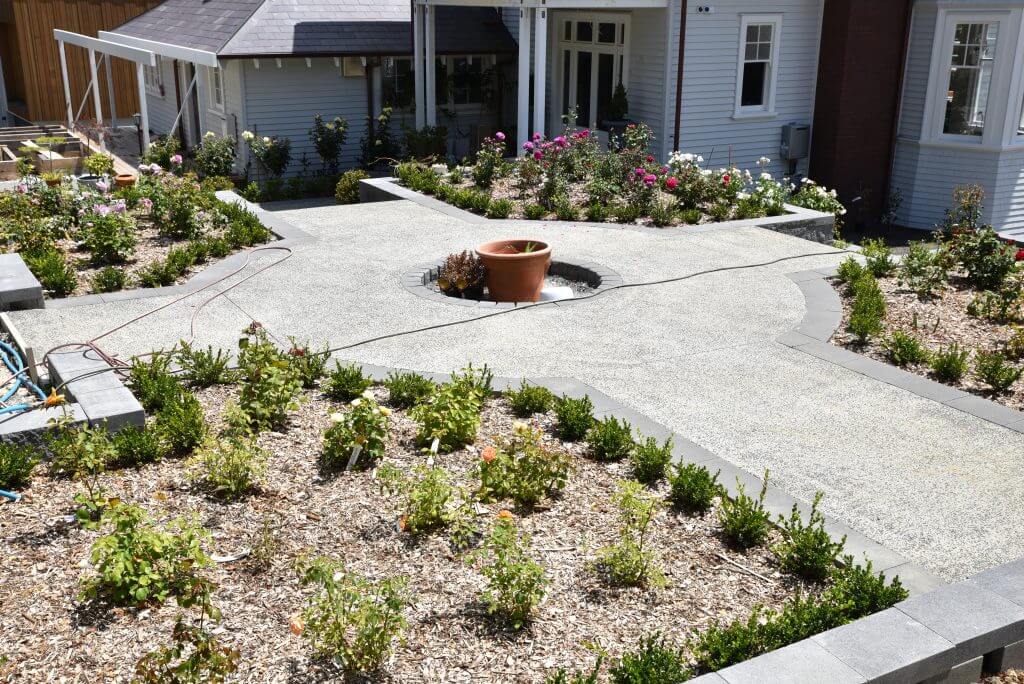
One of the biggest draws of pavers is their appearance. Because they come in different colours, shapes, and patterns, you can create a driveway that really matches the style of your home. From classic brick looks to modern geometric designs, there’s quite a lot of room to get creative here.
Just because they look good doesn’t mean that pavers aren’t also practical. If one section cracks or stains, you can replace just that piece rather than the whole driveway. They handle ground movement well, too. Since they’re laid individually, they can shift slightly without splitting or breaking apart. That makes them a good choice for areas with variable soil or high rainfall (a.k.a. all of New Zealand).
The primary drawback that deters most homeowners is the cost. In the toss-up between paver and concrete driveway construction, pavers take longer to install because each piece must be laid by hand. This means higher labour expenses, and while they’re durable, weeds can sometimes grow between the joins if the driveway isn’t maintained properly.
So, when it comes to weighing your pavers vs. concrete driveway, pavers win points on looks and flexibility, but require more investment and upkeep.
Why Choose Concrete?
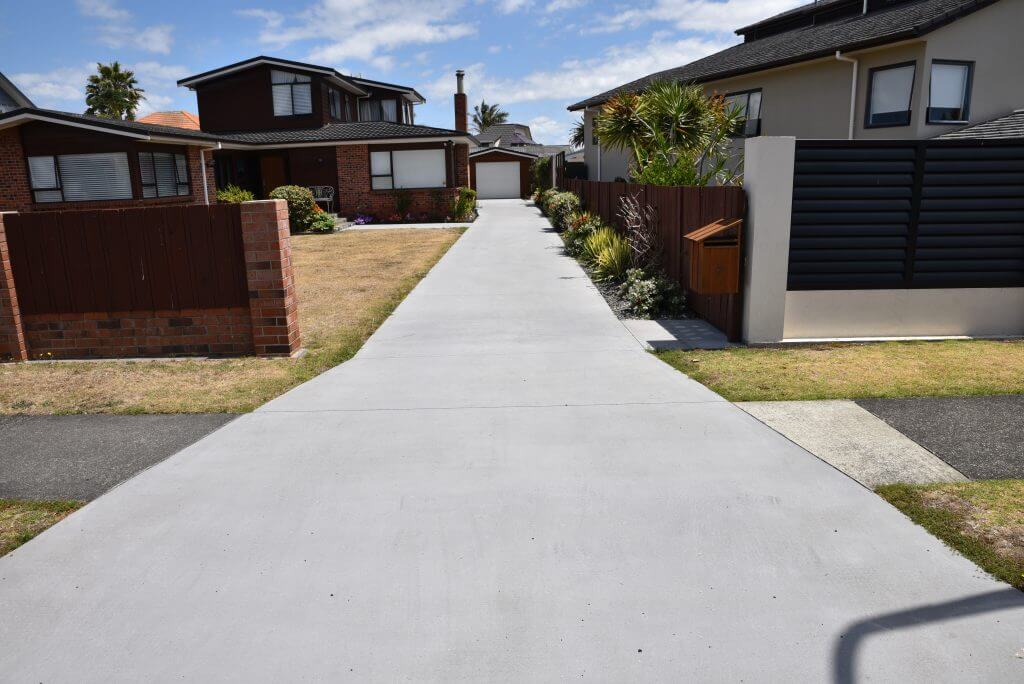
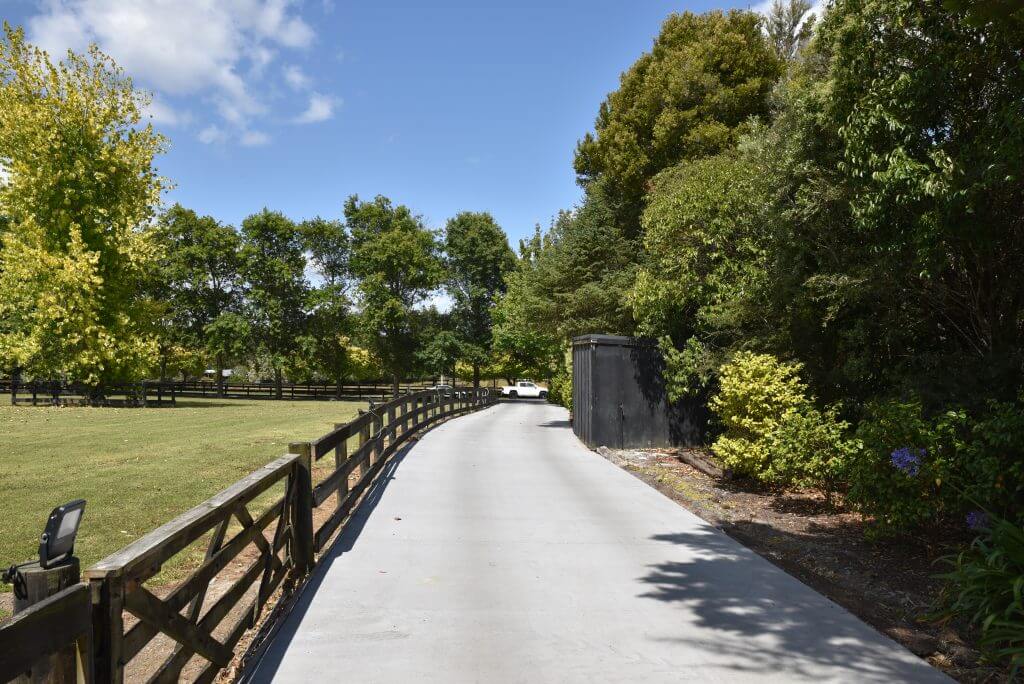
Concrete driveways are so well-loved because they are straightforward and reliable. Once poured, you’ll always get a smooth, continuous surface that’s easy to clean and low-maintenance. For many homeowners, this simplicity is exactly what they’re after, and there are many ways to make concrete look as visually interesting as pavers.
Concrete is also very cost-effective upfront when compared to pavers. With a professional crew, installation is usually faster than laying pavers, which helps to keep your labour costs down. If you care for it properly, your concrete driveway will easily last the decades with your home with little fuss.
There are one or two limitations associated with this material, as with any. If it cracks severely, patching is possible, but you aren’t usually able to remove just one small section and replace it as you are with pavers. Sealing helps, but it does add to the maintenance schedule every few years.
In the pavers vs. concrete driveway debate, concrete stands out for its affordability and low maintenance. That said, thanks to its durability, you won’t often need to call in a repair crew.
For Both, Proper Installation is Vital
Regardless of which option you choose, proper installation is key. A poorly installed driveway (whether pavers or concrete) won’t last. Your team needs to properly prepare the base, consider the drainage on your property, and install your chosen materials to the highest standard. There’s no room for compromise with something meant to last as long and endure as much as your driveway.
Cutting corners here is where most problems start. Pavers that aren’t laid evenly can shift or sink. Concrete that isn’t mixed or cured correctly can crack prematurely. That’s why working with experienced professionals like those on our team is so important, whichever direction you take in the pavers vs. concrete driveway conversation.
So, where do you come down on pavers vs. concrete driveway for your property? When in doubt, think about your priorities.
- If you value design flexibility, easy spot repairs, and don’t mind investing a bit more upfront, pavers might be your best bet.
- If you want a simple, functional, and affordable solution with minimal fuss that will last you a long time, concrete could be the right choice.
What’s going on at your property will matter here. Pavers often handle ground movement better, while concrete can be perfectly reliable on stable soil with good drainage. In that case, it’s vital to get adriveway team to assess your soil first.
Considering both of these materials have proven track records as driveway choices, the only question remaining once you’ve gone through everything else here is: what does your gut tell you?
Trust the team at Asphalt & Civil to lay your driveway with ease.
At Asphalt & Civil, we handle both concrete and paving driveway construction, as well as asphalt driveways for more commercial applications. If you’re ready to give your property a facelift or start a build from scratch, get in touch with our team for a free quote today.