Concrete driveways are built to last, but even the best ones show signs of wear over time. Cracks, surface spalling, fading colour, or sinking edges may leave you wondering what to do next. Should you resurface the existing driveway or start fresh with a full replacement?
This guide breaks down the key factors to weigh when deciding between concrete driveway resurfacing vs replacement. The right choice depends on your budget, the condition of the slab, and your long-term goals.
Why the Difference Matters
Resurfacing and replacement are not the same, far from it. Resurfacing involves applying a new layer of concrete or overlay over the existing surface. It’s suitable for driveways that are still structurally sound but look tired or have minor imperfections.
Replacement means removing the entire slab and starting again from the base up. This is necessary when the driveway has serious cracks, drainage issues, or foundation problems.
Choosing the right option can save time, money, and stress down the track.
Signs Your Driveway Might Be Ready for Resurfacing
Resurfacing is a more affordable and quicker option, but it only works in specific situations. Look for these signs:
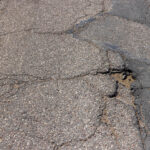
- Minor surface cracking (no more than a few millimetres deep)
- Faded or stained surface with no structural damage
- Pitting or flaking that hasn’t compromised slab integrity
- Stable base with no signs of sinking or shifting
If the base and structure are in good shape, a new surface can give your driveway a fresh appearance and extend its life.
When Replacement Is the Better Call
Sometimes, a new top layer won’t address the underlying issue. Replacement becomes the better (or only) option when:
- Cracks are wide, deep, or moving
- Slabs have sunk or become uneven due to poor base support
- Tree roots have caused lifting or displacement
- Water drainage is no longer effective
- The original concrete was poorly installed or reinforced
In these cases, resurfacing would only mask the symptoms. A full replacement addresses the cause and provides a fresh foundation to build upon.
Concrete Driveway Resurfacing vs Replacement: What’s the Cost Difference?
One of the biggest advantages of resurfacing is cost. Because it doesn’t involve demolition or removal of the old slab, labour and materials are lower. Resurfacing also takes less time, which reduces disruption.
However, while cheaper upfront, resurfacing won’t fix underlying issues. If those come back later, you might end up replacing the driveway anyway.
Replacement is more expensive, but it allows for an updated layout, proper base preparation, better drainage, and stronger reinforcement. It’s a better long-term investment for driveways with structural problems.
In short, the concrete driveway resurfacing vs replacement decision often comes down to whether you’re dealing with appearance or deeper problems.
What About Reinforcement?
No matter which option you choose, reinforcing the slab properly is key to getting a lasting result.
For resurfacing, reinforcement is minimal since the layer is thin. A bonding agent is typically applied first, followed by a polymer-modified concrete overlay.
With replacement, there’s more flexibility. You can choose from:
- Steel mesh to prevent wide cracks
- Fibre-reinforced concrete for uniform strength
- Geotextile base fabric to support weak ground
- Thickened edge beams for added strength at borders
These features support long-term durability, especially if your property has heavy vehicle use or variable soil conditions.
Don’t Forget Drainage & Slope
Whether resurfacing or replacing, water management is essential. A driveway should slope away from the house, allowing rainwater to run off without pooling.
Resurfacing allows for small slope adjustments using levelling compounds. However, if your driveway has major drainage issues, replacement provides an opportunity to completely redesign the slope and water flow.
When comparing concrete driveway resurfacing vs replacement, drainage is often the hidden deal-breaker. Fixing poor drainage after resurfacing is far more difficult than addressing it during a rebuild.
Lifespan & Maintenance Expectations
Resurfacing can extend the life of a concrete driveway by 8 to 15 years, provided it is done properly. It requires occasional sealing and gentle cleaning to maintain its good condition.
A fully replaced driveway, by contrast, may last 25 years or more with proper care. This includes regular sealing, crack repair, and maintaining clear drainage channels.
If you’re planning to stay in the home long-term, replacement offers better value over time. If you’re selling soon or just want a cosmetic upgrade, resurfacing may be a more suitable option.
Asphalt & Civil for Concrete Resurfacing & Replacement
Both resurfacing and replacement have their place. Resurfacing is ideal for driveways with minor wear and stable foundations, offering a cost-effective way to refresh the appearance. Replacement is the smarter choice when deeper structural problems exist, and you want long-term peace of mind.
The key is to evaluate your driveway’s current condition, not just its look. A proper assessment of cracks, drainage, base stability, and use requirements will help you make the right call for your property.
Before deciding, consult with the concrete specialists at Asphalt and Civil, who can assess whether concrete driveway resurfacing vs replacement is the best path forward for your needs.