A well-built driveway does more than provide access to your home. It adds value, supports vehicle loads, and withstands New Zealand’s varied climate conditions. But to get the most out of a concrete driveway, it needs to be reinforced properly.
Reinforcement enhances durability, prevents cracking, and helps the structure maintain its integrity over time. With several reinforcement options available, choosing the right one can seem overwhelming. This guide outlines the most commonly used methods and explains how to decide on the best reinforcement for concrete driveway projects in New Zealand.
Why Reinforcement for Your Concrete Driveway Matters
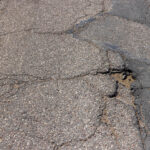
Concrete is strong under pressure but weaker when pulled or stretched. That’s why driveways without reinforcement are more prone to cracks, especially when exposed to traffic, soil movement, or water runoff.
Adding reinforcement improves the concrete’s ability to handle stress from vehicle loads and natural expansion or contraction. It helps prevent cracking, sagging, and surface breakdown, making it a crucial component of any long-term driveway installation.
What Are the Main Concrete Driveway Reinforcement Options?
Different properties call for different approaches. Soil quality, driveway length, gradient, and load expectations all influence which reinforcement method is most suitable. Below are the most widely used systems across New Zealand.
Steel Mesh Reinforcement
One of the most common choices, steel mesh (often 665-grade in NZ), is laid into the slab before the concrete is poured. The mesh is positioned within the top half of the concrete layer, where it can control shrinkage cracks and maintain the slab’s bond.
This option works well for most residential driveways, especially where the ground is firm and well-compacted. It’s a reliable choice for homeowners seeking the best reinforcement for their concrete driveway’s performance in high-traffic areas.
Fibre-Reinforced Concrete
Instead of using mesh, fibre reinforcement involves mixing tiny synthetic or steel fibres directly into the concrete before it’s poured. These fibres are evenly distributed, which helps control shrinkage during curing and reduces the chance of micro-cracks forming.
This option is often used for smaller driveways, curved areas, or where mesh placement would be tricky. Fibre reinforcement is also less labour-intensive, making it a practical choice for fast pours and tight access jobs.
eotextile Fabric
For sites with soft or poor soil conditions, geotextile fabric offers an additional layer of stability. This material sits between the subgrade and base course to prevent the stone base from mixing with the soil beneath. It also helps to spread the load more evenly across the ground.
While not a substitute for concrete reinforcement, geotextiles improve the performance of the layers below, especially on sloped or damp sites. When paired with mesh or fibres, they can contribute to a much more resilient surface.
Compacted Aggregate Base
Although it’s not reinforcement in the technical sense, a solid base is crucial. Most New Zealand driveways are built on compacted GAP 40 or GAP 65 aggregate at a depth of 100–150 mm, depending on the ground strength.
This layer supports the concrete and keeps it from moving or settling unevenly. A strong, well-drained base reduces the chance of cracks forming and supports whatever reinforcement sits above it. It is an essential companion to the best reinforcement for concrete driveway construction.
Thickened Edge Beams
The edges of a driveway are often where damage starts. Thickened edge beams involve pouring deeper, wider borders to give the concrete more support along the sides. This added thickness resists breakage from tyre pressure and helps the slab maintain its shape over time.
This method is especially useful for driveways without kerbing or garden borders and is often combined with mesh or fibre reinforcement.
Which Is the Best Reinforcement for Concrete Driveways?
There’s no one-size-fits-all solution, but some combinations are more effective than others. In many residential driveways, the best results are achieved by using steel mesh with a compacted base and careful jointing. This combination is cost-effective, proven, and widely used across Auckland and the rest of the country.
However, for steep, narrow, or awkwardly shaped driveways, fibre-reinforced concrete may be the better option. On unstable ground, adding geotextile fabric to the base can be the difference between long-term performance and early failure.
The best reinforcement for concrete driveway projects depends on the following:
- Soil conditions
- Traffic expectations
- Drainage layout
- Budget and installation access
- Desired lifespan and maintenance tolerance
Common Mistakes to Avoid
When it comes to reinforcement, some shortcuts can lead to costly repairs:
- Skipping compaction: Even the strongest mesh won’t help if the base shifts underneath.
- Improper placement: The mesh should be positioned near the top third of the slab, not at the bottom.
Poor drainage: Water pooling under the slab weakens the base and speeds up cracking. - Ignoring edge support: Without strong sides, concrete can crumble under tyre pressure.
These problems can often be avoided with early planning and good communication during the design stage.
Contact Asphalt and Civil Now
A reinforced concrete driveway is an investment in strength, appearance, and property value. Whether you choose mesh, fibres, or layered support from below, what matters most is using the right combination for your specific site.
The best reinforcement for concrete driveway construction is one that suits your ground conditions, layout, and future use. With the right setup, your driveway can serve you well for many years to come, regardless of the weather. If you’re ready for a great team to take care of your driveway needs, contact Asphalt and Civil now.